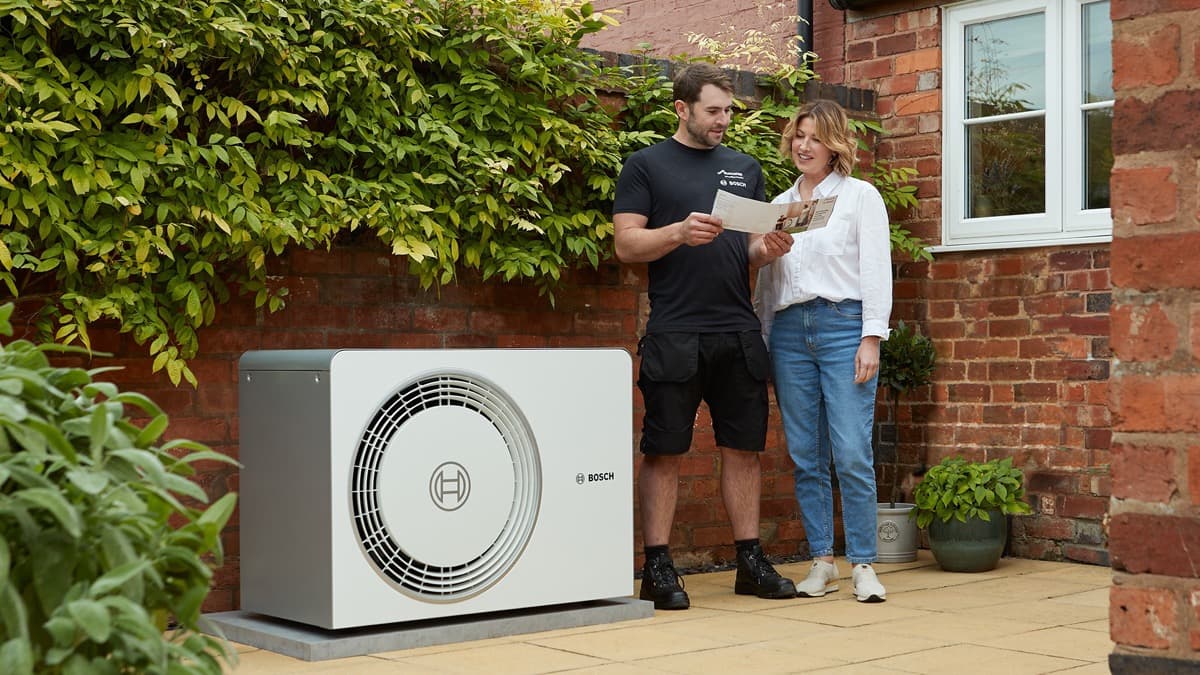
A Splix engineer handing over a newly installed air source heat pump system

HomeServicesHeat Pumps

Heat Pumps

Heat Pump Installation, Servicing & Repairs

Air source heat pump design, installation, and commissioning for homes across Bristol, Bath, and the surrounding areas. Low-carbon heating that works in the UK climate — when it is correctly designed and installed.

Correctly sizedRoom-by-room heat loss calcs
Low-carbonAir source heat pumps
Full supportDesign to commissioning
Air source heat pumps
Low-carbon heating
Correctly sized, not guessed
Underfloor & radiator ready

Government support

Grants and VAT can significantly reduce the cost

  • Boiler Upgrade Scheme grant — up to £7,500. Most homes replacing a fossil-fuel system with an eligible heat pump qualify for £7,500 off, applied for on your behalf by an MCS-certified installer and deducted straight from your invoice.
  • Off-grid uplift — up to £9,000.If your home is off the mains gas grid and currently heated by oil or LPG, the grant rises to £9,000 for an air source or ground source heat pump. This uplift runs from 21 July 2026 to 31 March 2027, England & Wales only.
  • 0% VAT. Qualifying heat pump installations are zero-rated for VAT (until at least 31 March 2027), instead of the usual 20% charged on standard gas boiler work.

Grant amount and eligibility are confirmed for your specific property, not guaranteed online. Figures above are correct as of July 2026 — government schemes can change. See gov.uk/apply-boiler-upgrade-scheme for the official scheme details.

What we can help with

  • Air source heat pump system design and sizing
  • Room-by-room heat loss calculations
  • Heat pump supply and installation
  • Full system commissioning and handover
  • Upgrades from gas boiler to heat pump
  • Radiator upgrades for low-temperature systems
  • Underfloor heating integration
  • Buffer tank and hot water cylinder upgrades
  • Heat pump servicing and annual maintenance
  • Heat pump fault diagnosis and repairs
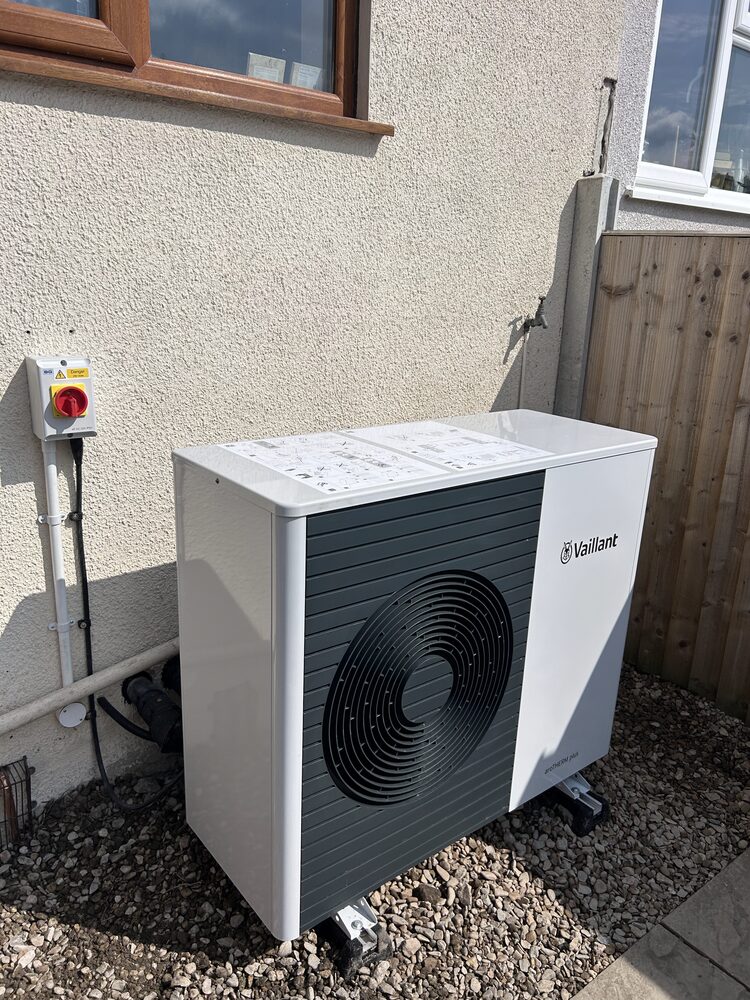
Air source heat pump unit installed on a gravel pad outside a residential property

Air source heat pump installed outside a residential property

The basics

What is an air source heat pump?

A heat pump does not burn fuel to create heat. Instead, it absorbs low-grade thermal energy from the outside air and transfers it into your home using a refrigeration cycle — the same principle used in a fridge, but working in reverse. Even during colder UK winters, modern inverter-driven heat pumps can extract useful heat from outdoor air and deliver it into your heating and hot water system.

The system works through four main components: an evaporator, a compressor, a condenser, and an expansion valve. Refrigerant absorbs outdoor heat, the compressor raises its temperature and pressure, and the condenser transfers that heat into your home. Because the system moves heat rather than generating it through combustion, a well-designed installation can often deliver several units of heat for each unit of electricity consumed — though actual performance depends on the property, system design, and outdoor conditions.


Sizing & design

Why correct sizing matters

The single most important factor in any heat pump installation is getting the system size right. An oversized heat pump short-cycles — switching on and off too frequently — which increases compressor wear, reduces efficiency, and shortens the life of the unit. An undersized system will struggle during cold spells and may rely heavily on electric immersion backup heating, significantly increasing running costs.

Before specifying any system, we carry out detailed room-by-room heat loss calculations covering insulation performance, window areas, air infiltration, and hot water demand. This ensures the heat pump is correctly matched to what your property actually needs — not just sized to a rule of thumb.

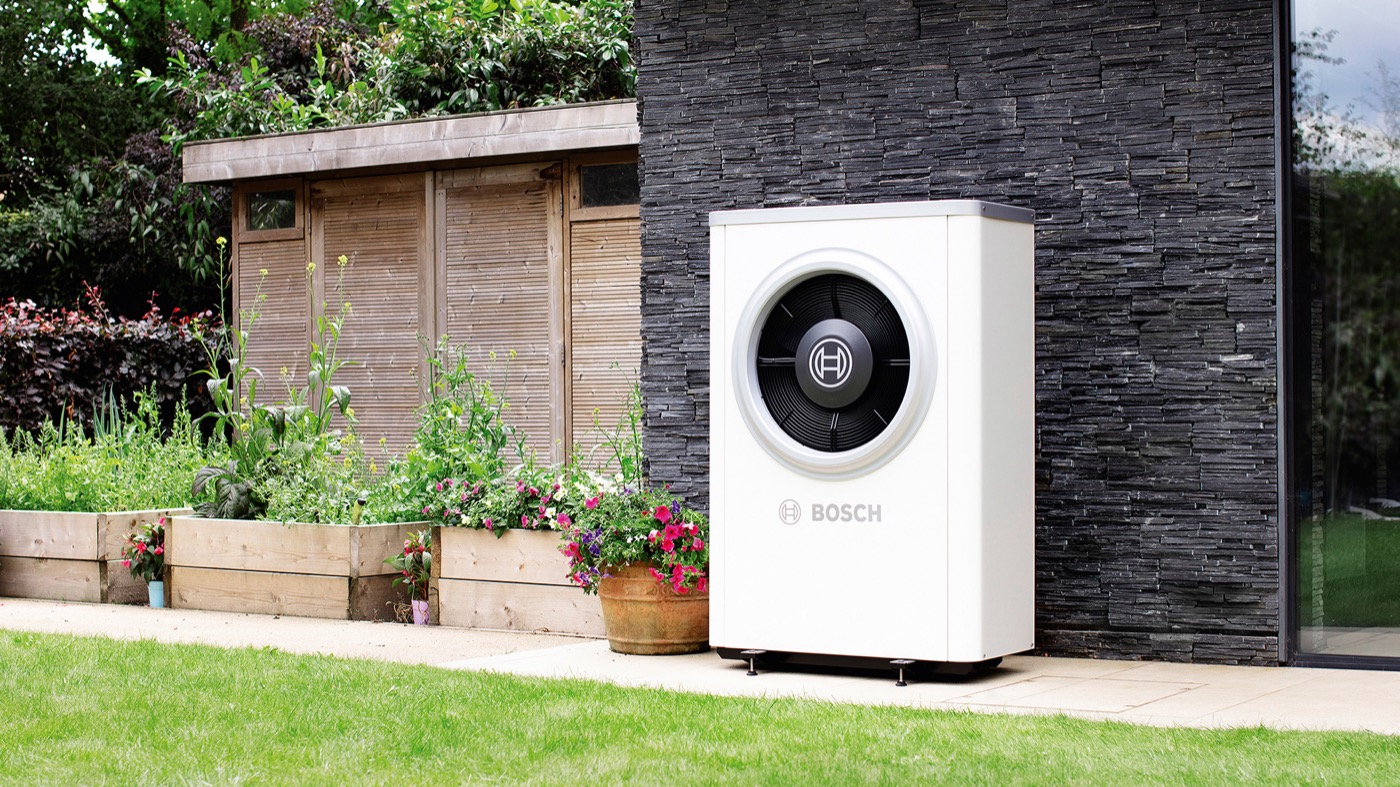
Worcester Bosch air source heat pump unit installed in a residential garden

Worcester Bosch air source heat pump — compact, quiet, designed for UK residential installation

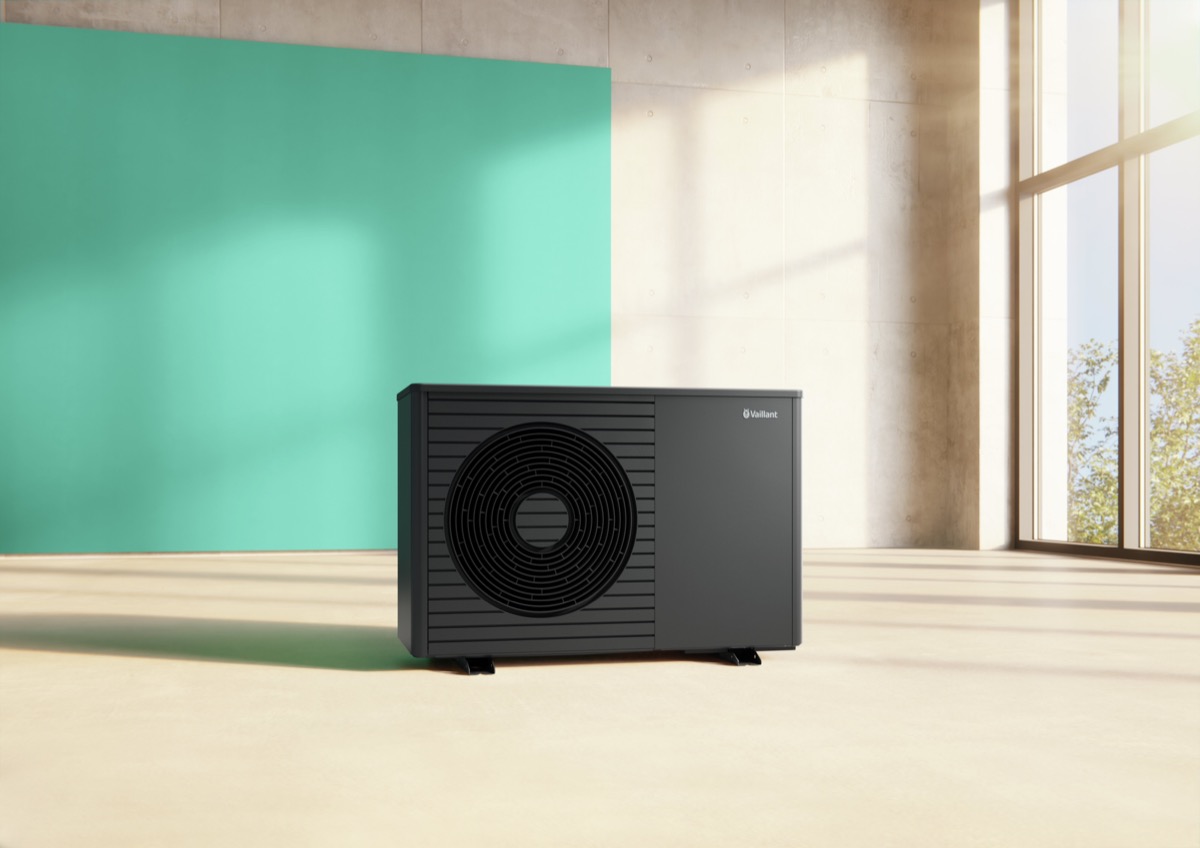
Modern air source heat pump unit — compact, quiet, designed for residential installation

Modern air source heat pump — compact design suitable for typical residential properties

Performance

Low-temperature heating design

Heat pumps operate most efficiently at lower flow temperatures than traditional gas boilers. A boiler commonly runs at 70–80°C; a heat pump typically works best between 35°C and 50°C. This difference has a direct impact on your existing heating system.

To deliver sufficient heat output at these lower temperatures, radiators may need to be larger than those currently installed. Underfloor heating is naturally well suited to heat pumps because of its large surface area. We assess your existing emitters as part of the design process and specify any upgrades needed to ensure the system runs efficiently rather than just adequately.

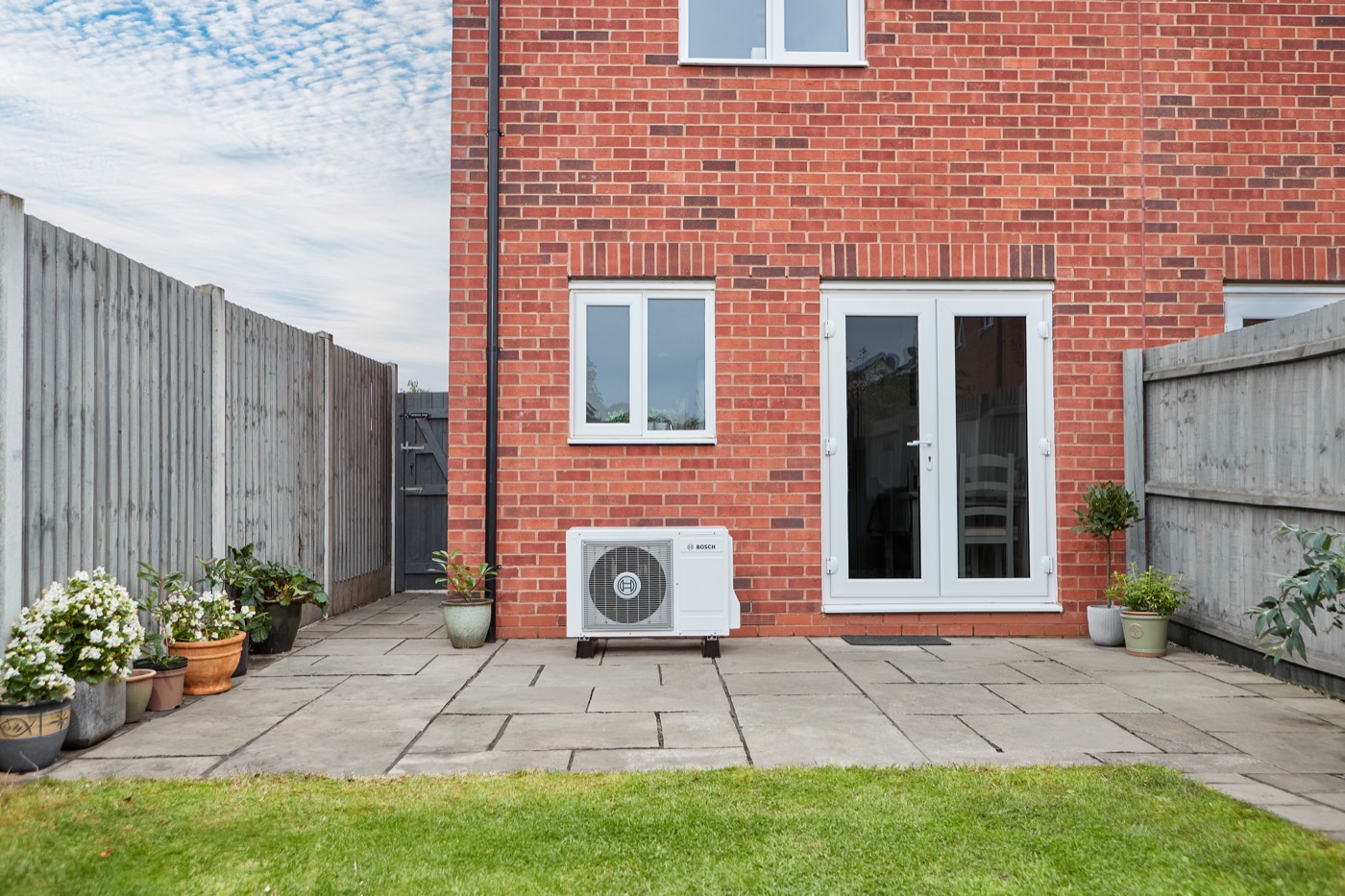
Air source heat pump installed on the rear of a UK red-brick residential property

Air source heat pump installed on a typical UK property

Aftercare

Heat pump servicing and repairs

Like any mechanical system, a heat pump performs best when it is regularly maintained. Annual servicing helps protect the refrigerant circuit, verify flow rates and pressures, clean heat exchangers, check glycol concentration, calibrate weather compensation controls, and confirm the system is operating as efficiently as it should be.

We also carry out fault diagnosis and repairs on existing heat pump installations — including compressor issues, sensor failures, defrost problems, flow circulation faults, and low heating output. Our understanding of both refrigeration principles and hydronic heating systems means we can identify faults accurately rather than guessing.

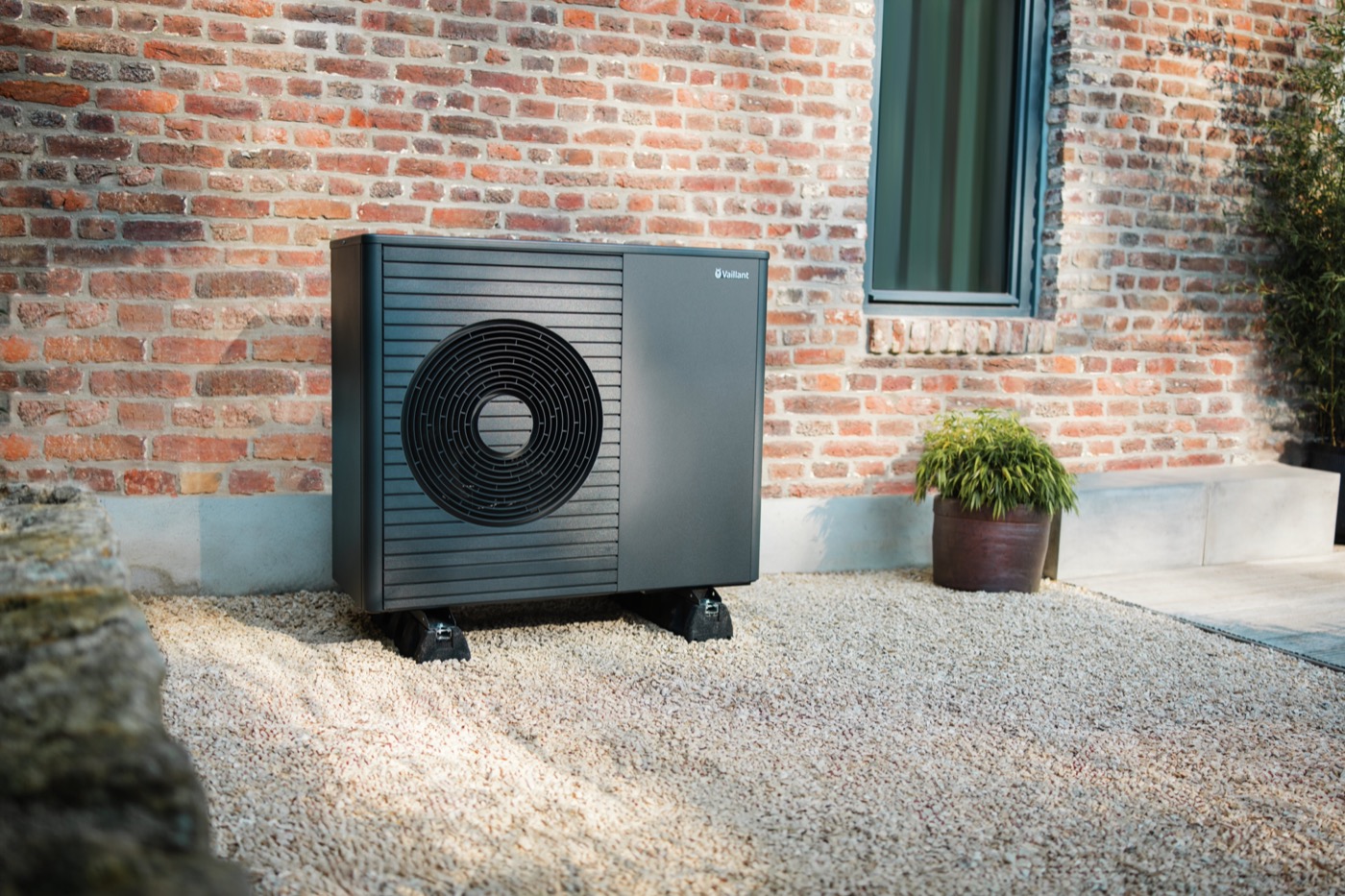
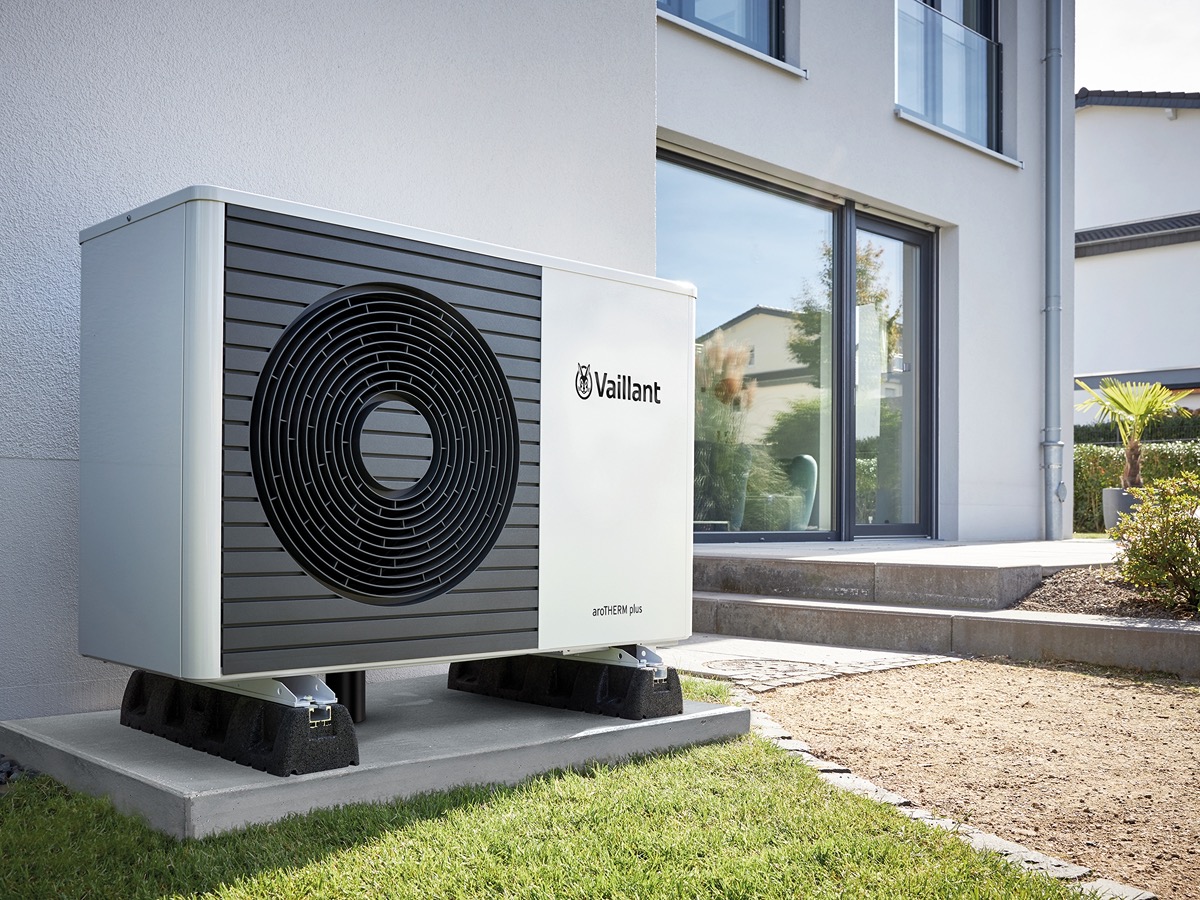
Vaillant arotherm plus air source heat pump outdoor unit

Vaillant arotherm plus air source heat pump — an example of a premium heat pump system

Why choose Splix?

Heat pump performance depends entirely on correct design and installation. A system that has been oversized, undersized, or connected to an incompatible heating circuit will underperform regardless of how good the unit itself is. We treat the heat loss calculation and system design as the foundation of every installation — not an afterthought.

We work with homeowners across Bristol, Bath, and the surrounding area, providing honest advice on whether a heat pump is right for your property, what preparation work may be needed, and what to realistically expect from the system. We handle everything from the initial survey through to commissioning and handover.

Gas Safe Register, Splix Heating Innovations, Vaillant, Worcester Bosch Accredited Installer, City & Guilds and Checkatrade accreditation logos
Air source heat pump outdoor unit installed by Splix in a garden setting

A recent air source heat pump installation carried out by our team

Frequently asked questions

Are heat pumps efficient in UK winters?

Modern inverter-driven heat pumps are designed to operate in the UK climate. They use variable speed compressors, intelligent defrost cycles, and advanced refrigerant technology to continue extracting useful heat from cold outdoor air. Performance does reduce at very low temperatures, which is why correct sizing and system design are important — a properly specified system accounts for your local climate and worst-case conditions.

Do I need new radiators for a heat pump?

Not always, but often some upgrades are needed. Because heat pumps run at lower flow temperatures, existing radiators may not deliver enough heat output. We assess your current radiators as part of the heat loss survey and advise on which, if any, need to be upgraded or replaced. In some properties the existing radiators are large enough; in others, targeted upgrades make a significant difference to system efficiency.

How long does a heat pump last?

A properly installed and regularly serviced heat pump can provide 15 to 25 years of reliable operation. Compressor lifespan is heavily influenced by correct sizing — a system that short-cycles because it is oversized will wear out much faster than one that runs steadily at the right output. Annual servicing and appropriate glycol protection both contribute to long-term reliability.

Is my home suitable for a heat pump?

Most homes can be suited to a heat pump with the right sizing and design — factors like insulation, radiator sizing, hot water demand and outdoor unit space all play a part. Rather than guess, we start with a heat loss survey to confirm suitability for your specific property. You can also get a guide direction online first with our heat pump estimate tool.

Check heat pump suitabilityBook a heat pump survey