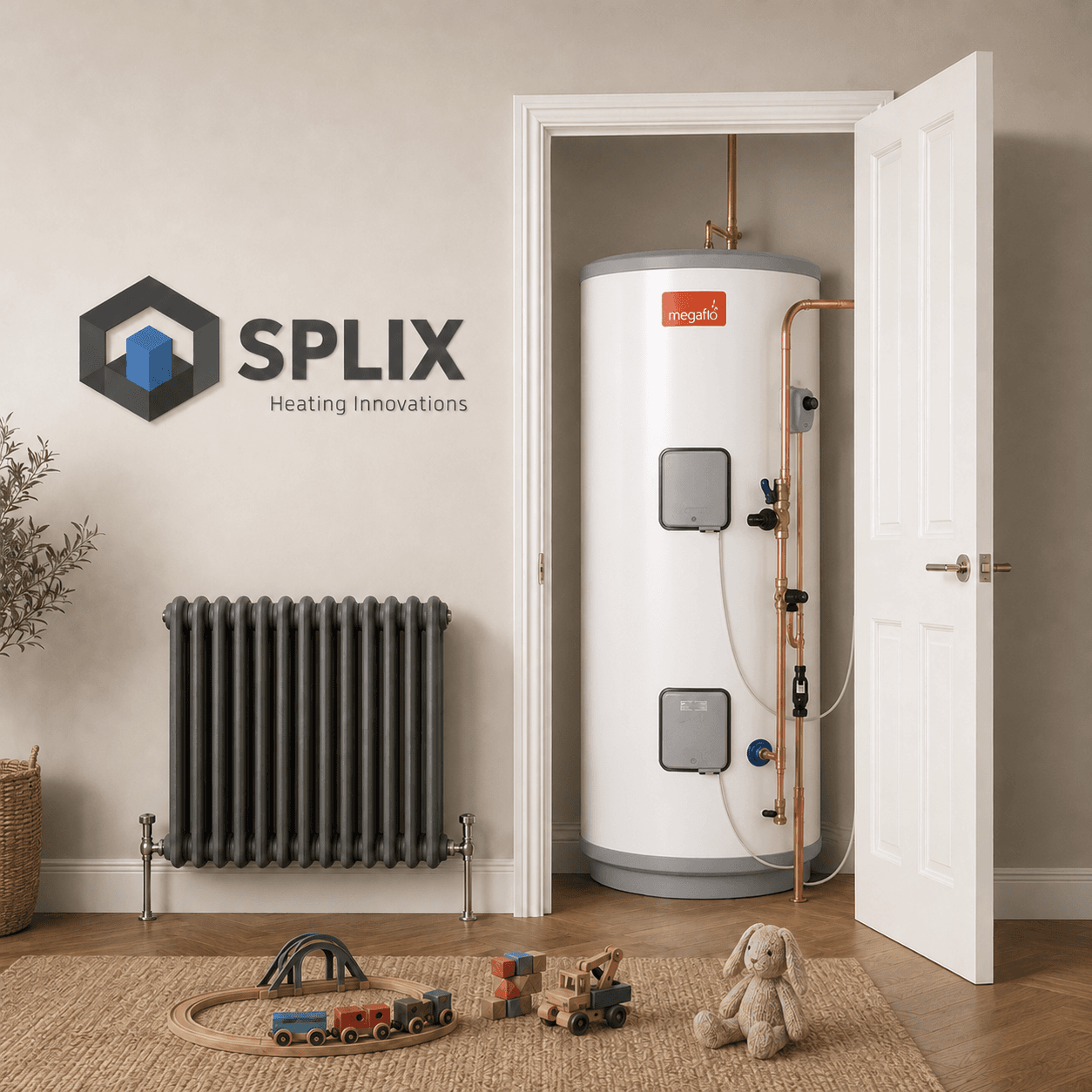
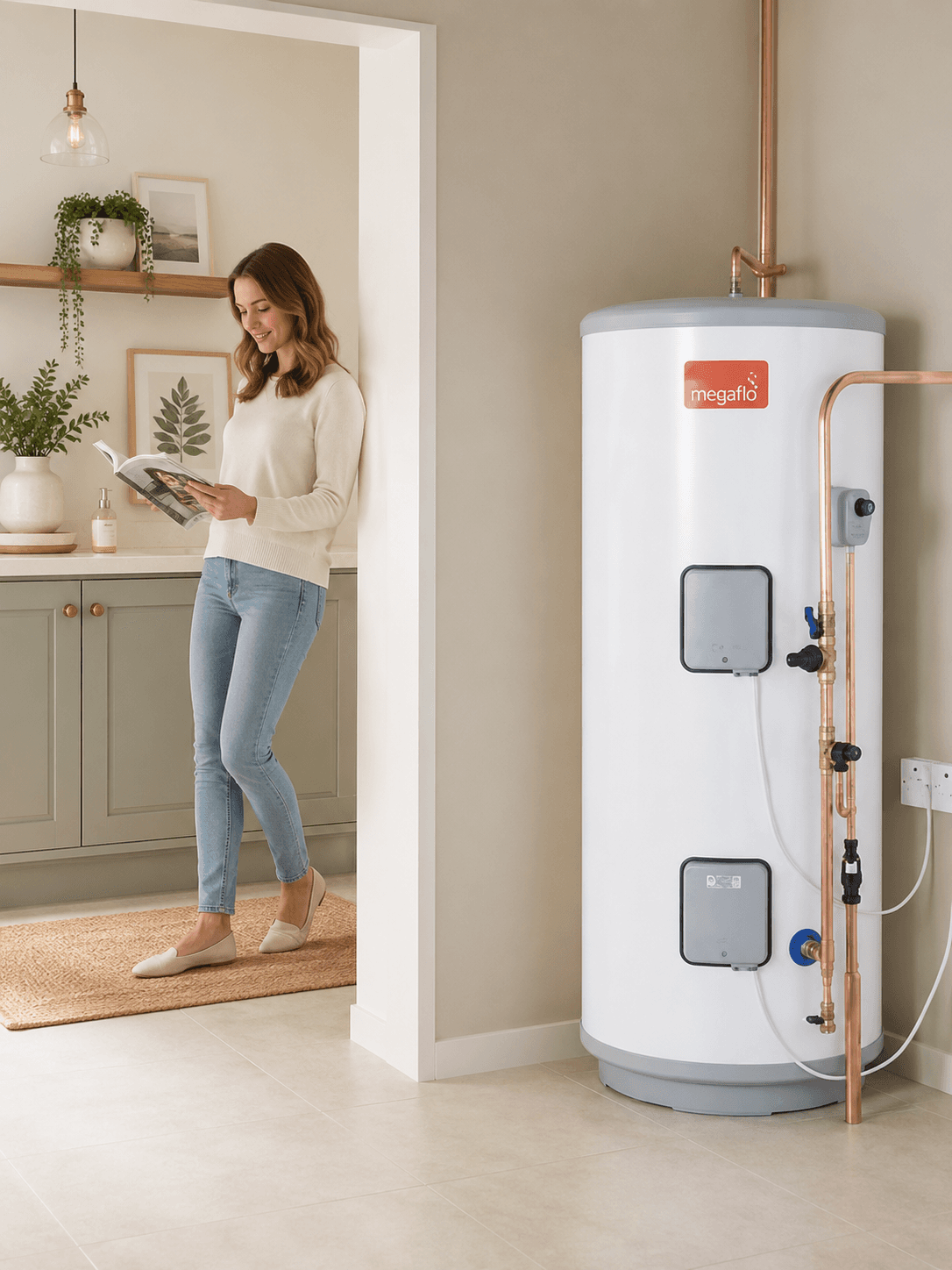
Megaflo unvented hot water cylinder installed in a cupboard alongside a traditional radiator

HomeServicesHot Water Cylinders

Hot Water Cylinders

Hot Water Cylinders

The right hot water cylinder makes a significant difference to performance, energy efficiency, and reliability — particularly as more homes move towards heat pump systems and renewable heating. We supply, install, and upgrade cylinders for homes across Bristol, Bath, and the surrounding areas.

G3 qualifiedUnvented specialists
Heat pump readyCompatible cylinders
Mains pressurePowerful, consistent flow

What we can help with

  • Unvented (pressurised) hot water cylinder installation
  • Vented cylinder installation and replacement
  • Cylinder upgrades for heat pump systems
  • Hot water cylinder sizing and specification
  • Twin-coil and renewable-ready cylinder installation
  • Immersion heater installation and replacement
  • Cylinder thermostat and control upgrades
  • Annual unvented cylinder servicing
  • Fault diagnosis and repairs
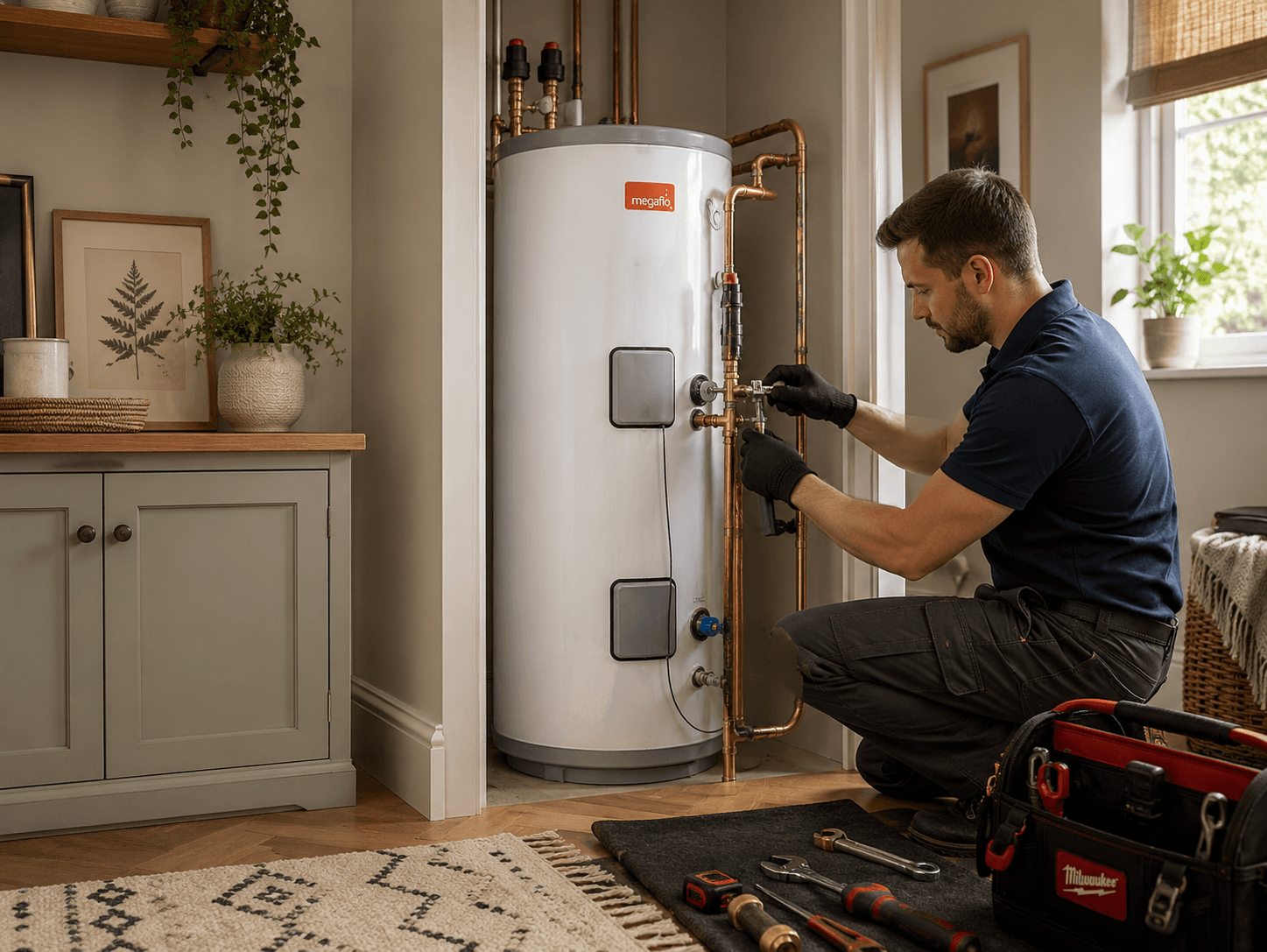
Engineer connecting copper pipework to a Megaflo unvented cylinder

A G3 qualified engineer connecting a new unvented cylinder

The basics

Vented vs unvented cylinders

Traditional vented cylinders rely on a cold water storage tank in the loft to supply water under gravity. Hot water pressure at the tap or shower depends entirely on the height difference between the loft tank and the outlet — which often results in weak shower performance, particularly on upper floors. Older vented cylinders also tend to have less effective insulation, meaning more standing heat is lost overnight.

Unvented cylinders connect directly to the mains water supply. There is no loft tank required, and hot water is delivered at mains pressure to every outlet in the property — meaning powerful showers, faster bath filling, and consistent flow rates regardless of which floor you are on. The sealed system also improves hygiene, since stored water is not exposed to an open tank. Modern unvented cylinders have significantly better insulation, reducing standing heat losses compared to older vented systems.

Unvented cylinder installation and servicing must be carried out by engineers holding the G3 unvented qualification. Our engineers are fully G3 qualified and experienced in specifying and installing the right system for your property.

Heat pump ready

Heat pump compatible cylinders

Heat pumps operate at lower flow temperatures than traditional gas boilers — typically 35–55°C rather than 70–80°C. A standard hot water cylinder coil is designed to transfer heat efficiently at boiler temperatures; at the lower temperatures produced by a heat pump, the same coil may struggle to transfer sufficient energy into the stored water. The result is slower hot water recovery, increased compressor run time, and reduced system efficiency.

Dedicated heat pump cylinders are designed with enlarged heat exchanger coils that have a significantly greater surface area. This allows maximum heat transfer at lower operating temperatures, enabling the heat pump to work efficiently and achieve good hot water recovery times without being forced to raise flow temperatures unnecessarily.

If you are installing a heat pump or upgrading an existing heat pump system, specifying the correct cylinder is as important as specifying the heat pump itself. We assess your hot water demand, property size, and heat pump output together to recommend the right cylinder specification.


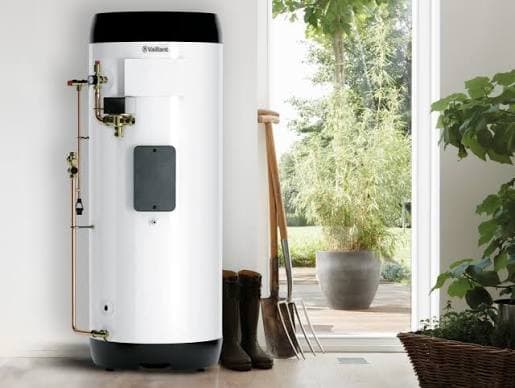
Vaillant unvented cylinder installed in a utility room next to garden doors

A Vaillant heat pump compatible cylinder — an example of a leading manufacturer system

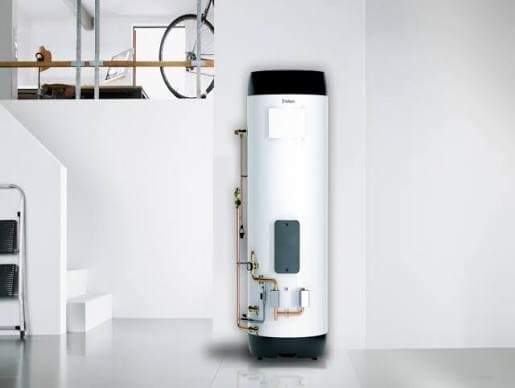
Vaillant unvented cylinder installed beneath an open staircase

A neatly installed Vaillant unvented cylinder

Renewable ready

Twin-coil and renewable-ready cylinders

Twin-coil cylinders contain two separate heat exchanger coils within the same unit. The lower coil is typically connected to a renewable heat source — such as solar thermal panels — which provides hot water using free energy during suitable conditions. The upper coil connects to a boiler or other primary heat source, providing backup heating when the renewable source cannot meet demand on its own.

For properties that already have solar thermal or are considering it in the future, a twin-coil cylinder provides a straightforward way to integrate multiple heat sources without replacing the cylinder again later. We can advise on whether a twin-coil specification makes sense for your property and current setup.

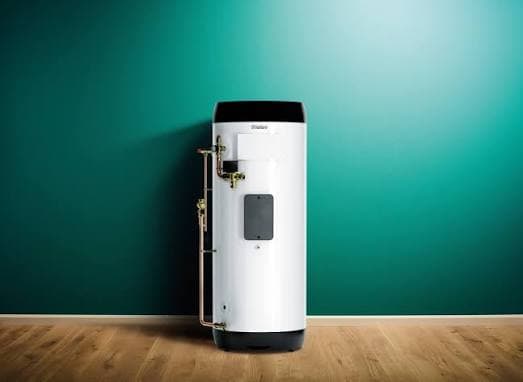
Vaillant unvented cylinder studio product photo

A Vaillant unvented cylinder — one of the leading brands we install

Why choose Splix?

Cylinder specification is more involved than simply choosing a size. The coil design, insulation standard, pressure rating, and controls all affect how well the cylinder performs with your specific heat source. A cylinder that works well with a gas boiler may perform poorly connected to a heat pump. We specify cylinders that match your system — not just the most common option on a price list.

We work with homeowners across Bristol, Bath, and the wider region, providing honest advice on whether to repair, replace, or upgrade based on your current system and hot water requirements.

Gas Safe Register, Splix Heating Innovations, Vaillant, Worcester Bosch Accredited Installer, City & Guilds and Checkatrade accreditation logos
Homeowner relaxing at home with an unvented cylinder installed neatly in a cupboard nearby

Reliable hot water, fitted neatly out of the way

Frequently asked questions

What is the difference between a vented and unvented cylinder?

A vented cylinder relies on a cold water storage tank in the loft and delivers hot water under gravity pressure. An unvented cylinder connects directly to the mains supply and delivers hot water at mains pressure — meaning stronger showers and better flow rates throughout the property. Unvented systems require a G3 qualified engineer for installation and annual servicing.

Can I upgrade to an unvented cylinder in any property?

In most cases, yes — provided the incoming mains water supply has sufficient pressure and flow rate to support the system. We check mains pressure and flow as part of the survey process. In some properties, particularly older ones or those with shared supply pipes, an unvented system may need an additional pump or may not be suitable. We assess this before recommending any installation.

Why does a heat pump need a different cylinder?

Heat pumps produce hot water at lower temperatures than gas boilers. Standard cylinders have coils sized to work efficiently at boiler temperatures; at the lower temperatures from a heat pump, these coils do not transfer heat fast enough. Heat pump cylinders have larger heat exchanger coils with a greater surface area, allowing sufficient heat transfer at lower temperatures — which keeps the heat pump running efficiently and improves hot water recovery times.

Do unvented cylinders need annual servicing?

Yes. Unvented cylinders must be serviced annually by a competent, G3 qualified engineer, who checks the safety devices — including the expansion vessel, pressure relief valve and temperature relief valve — are working correctly. This is a requirement of Building Regulations G3, not just good practice, and we provide a service record as proof.

Get a cylinder installation quote